5 Signs You Need a New Roof
Your roof is the single most important structural component protecting your home, and Lehigh Valley weather doesn't go easy on it. Between heavy snow loads in January and February, spring rainstorms, summer heat, and the occasional nor'easter, roofs in our region take a beating. The tricky part is that roof damage often isn't obvious from the ground — by the time you notice a leak inside, the underlying damage has been building for months or even years.
Here are five signs that it might be time for a replacement, what to do about each one, and what the process looks like when you're ready to move forward.
1. Your Roof Is Over 20 Years Old
Most standard asphalt shingle roofs — the most common type in the Lehigh Valley — have a lifespan of 20 to 25 years. Architectural shingles can push that to 30, and metal roofs can last 50+. But the vast majority of homes in Allentown, Bethlehem, and Easton have standard asphalt.
Why Age Matters
Even if your roof looks okay from the ground, the materials are degrading at the molecular level. UV exposure breaks down the asphalt, freeze-thaw cycles crack and shift shingles, and the underlayment (the waterproof layer beneath the shingles) dries out and loses effectiveness. A qualified roofer like Todd Miller Roofing in Easton can do a free inspection to assess remaining life — and a good one will tell you honestly if you have a few years left or if it's time to plan.
Pro tip: If you don't know your roof's age, check your home purchase inspection report or contact your municipality for the building permit history. Most roof replacements require a permit, so there should be a record.
2. Curling or Missing Shingles
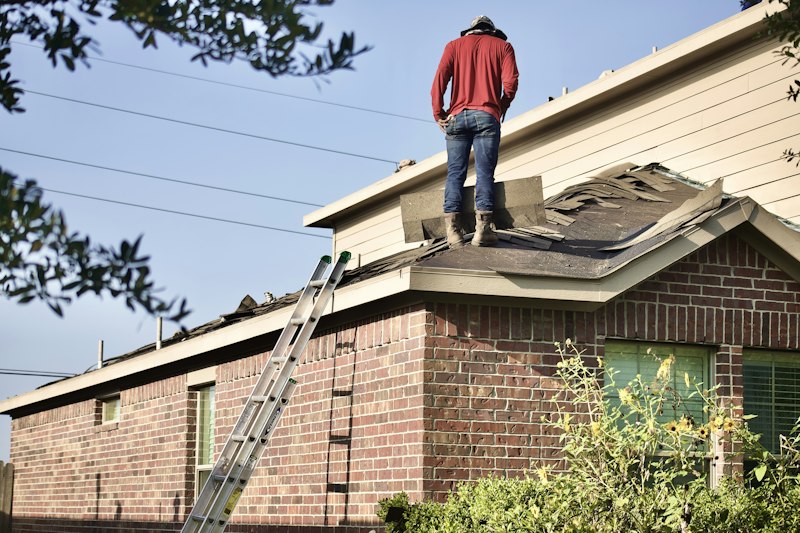
Walk around your property and look at your roofline from the ground. Healthy shingles should lie flat and uniform. If you see shingles that are curling at the edges, buckling in the middle, or missing entirely, your roof's protective barrier is compromised.
What Causes This
Curling typically results from heat damage and aging — the shingles dry out and contract. Buckling can indicate moisture problems in the decking beneath. Missing shingles are usually storm damage. In the Lehigh Valley, the nor'easters we get in late winter and early spring are the biggest culprit. High winds can peel shingles right off, especially on the south- and west-facing slopes that take the most weather.
A few missing shingles can be repaired individually, but if you're seeing widespread curling or more than 10% missing coverage, a full replacement is likely more cost-effective than patching.
3. Granules in Your Gutters
Those tiny, sandpaper-like granules on the surface of asphalt shingles aren't decorative — they're the primary UV protection for your roof. When granules start washing off into your gutters, it means the shingles are deteriorating.
How to Check
Next time you clean your gutters (or have them cleaned), look at what's accumulated. Some granule loss is normal, especially on a new roof within its first year. But if you're finding heavy accumulation — enough that it looks like coarse sand — your shingles have lost significant protection. You might also notice bare or discolored patches on the roof itself where granules have worn away.
Without granules, the underlying asphalt is exposed directly to sun and rain, which accelerates deterioration rapidly. If you're seeing this, call a roofer sooner rather than later. A top-rated local company like Holencik Exteriors (4.9 stars across more than 900 reviews) can inspect the roof and quantify how much granule loss has occurred.
4. Daylight Through the Attic
This one is easy to check and often overlooked. On a sunny day, go up to your attic (if accessible), turn off any lights, and look at the underside of the roof deck. If you can see pinpoints of light coming through the boards, water can get through those same gaps.
What It Means
Light penetration means the decking has gaps — either from rotted wood, warped boards, or failed flashing around vents and chimneys. While you're up there, also look for:
- Dark stains or streaks: Signs of past or active water intrusion
- Damp insulation: Water is getting in somewhere, even if it hasn't reached the ceiling yet
- Mold or mildew smell: Chronic moisture problem that needs immediate attention
This is an urgent sign. Don't wait for the next rainstorm to confirm it — by then you'll be dealing with interior damage too.
5. Sagging Roof Deck
A sagging roofline is the most serious sign on this list. Step back from your home and look at the ridge line (the very top) and the planes of the roof. Everything should appear straight and flat. If you see dips, waves, or sags, there's structural damage underneath.
Why It's Urgent
Sagging typically results from prolonged moisture exposure that has weakened the roof decking and potentially the rafters or trusses underneath. In the Lehigh Valley, ice dams are a common cause — when snow melts and refreezes at the eaves, water can back up under shingles and soak the decking repeatedly throughout winter.
This requires immediate professional attention from an experienced firm like Paul Wright Roofing or In The Light Roofing. A sagging roof can escalate from "needs replacement" to "structural failure" faster than most homeowners expect.
What to Do Next
If you've identified one or more of these signs, here's your action plan:
- Get a professional inspection. Most reputable roofers offer free inspections. Get at least two opinions before committing.
- Get written estimates. Each estimate should detail materials, labor, timeline, warranty terms, and whether they'll strip the old roof or overlay.
- Check credentials. Verify PA licensing, insurance, and workers' comp. See our guide to choosing a contractor for a detailed checklist.
- Understand the warranty. A quality roofer will offer both a manufacturer warranty on materials (typically 25–50 years) and a workmanship warranty on labor (typically 5–10 years).
Cost Expectations in the Lehigh Valley
A full roof replacement in the Lehigh Valley typically runs:
- Asphalt shingles: $8,000–$15,000 for an average-sized home (1,500–2,500 sq ft roof area)
- Architectural shingles: $10,000–$20,000
- Metal roofing: $15,000–$30,000+
Factors that increase cost include steep pitches, multiple dormers or valleys, chimney flashing, and the need for decking replacement. Companies like East Penn Roofing and Green Eco Solutions can provide detailed breakdowns so you understand exactly what you're paying for.
Don't wait until you have a leak. Browse our complete ranking of the best roofers in the Lehigh Valley to find a trusted professional, or see our guides to related home services like general contractors and HVAC companies.